Mastering solar power purchase agreements: A quick guide

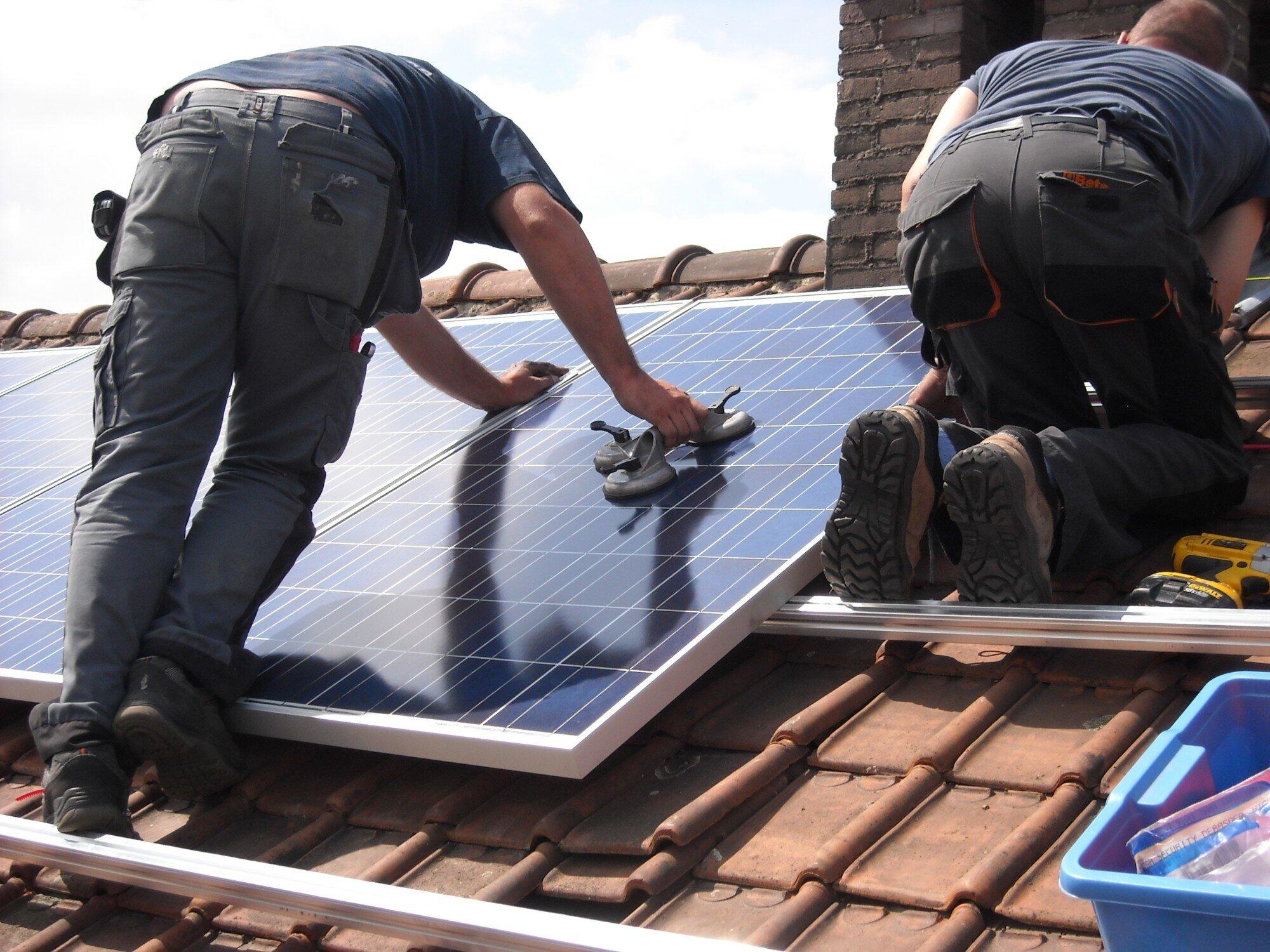
A solar power purchase agreement (PPA) is a contract that lets homeowners use solar energy without purchasing the system up front. Payments are typically based on the electricity the panels produce.
The U.S. Department of the Treasury cautions that some solar agreements lock homeowners into contracts lasting 15 years or longer. Long-term savings can look appealing initially, but pricing escalators, transfer requirements, and early termination fees can create expensive surprises later.
Before you commit, it’s helpful to understand how payments are calculated, what happens when a home is sold, and how maintenance responsibilities are handled. It’s the contract details that ultimately determine whether initial savings are sustainable or turn into a long-term financial commitment.
What Is a Solar Power Purchase Agreement?
A solar power purchase agreement is a contract where a third party installs and owns a solar system on your property, and you pay for the electricity it generates at a set rate per kilowatt hour. The system stays under the provider’s ownership for the duration of the contract.
The agreement outlines the electricity rate and contract length from the start. It also defines responsibilities for system operation and maintenance.
What Are the Benefits of a PPA?
Upfront cost savings and fewer ownership responsibilities drive most interest in solar options. A solar power purchase agreement combines solar access with a long-term pricing arrangement focused on green energy solutions.
Beyond cost savings, key advantages include:
Low Maintenance
The solar provider owns and maintains the system throughout the contract. Homeowners avoid repair costs and ongoing system upkeep.
Clean Energy
A PPA uses on-site solar generation instead of relying entirely on grid electricity. That means a portion of household power comes from renewable sources rather than fossil fuels.
Increased Property Value
Depending on the market, homes with solar access can attract more buyer interest. The presence of solar energy infrastructure can influence perceived property value.
How PPAs Influence Long-Term Energy Costs
Projected solar energy savings depend on the pricing structure written into the agreement. Some renewable energy contracts lock in electricity rates, while others include annual increases that raise costs during the contract term.
How much you save hinges on:
- Utility prices
- Household energy use
- System performance
What Are the Downsides of Solar PPA?
Solar power purchase agreements lock homeowners into long contracts, which reduces flexibility if plans change. Pricing escalators can also raise costs over time.
Early exit often triggers fees or buyout requirements set by the provider. Home sale transfers can also complicate ownership changes. Homeowners considering solar loan cancellation usually need to weigh exit costs against remaining contract value before making a move.
Is a Solar Power Purchase Agreement Right for You?
Choosing to enter a solar power purchase agreement depends on your energy needs, financial scenarios, and environmental goals. If your goal is to leverage renewable energy without significant financial strain, a PPA may be an ideal solution.
To find more articles on sustainable energy and other topics relevant to today’s homeowner, feel free to explore our site further.

![[WBT107.9FM] app promo graphics 2025](https://wbt.com/wp-content/uploads/sites/84/2025/12/17653898024341.jpg?quality=80&strip=all&w=150&crop=0,0,100,150px)