Why skilled trades are seeing renewed interest among younger workers
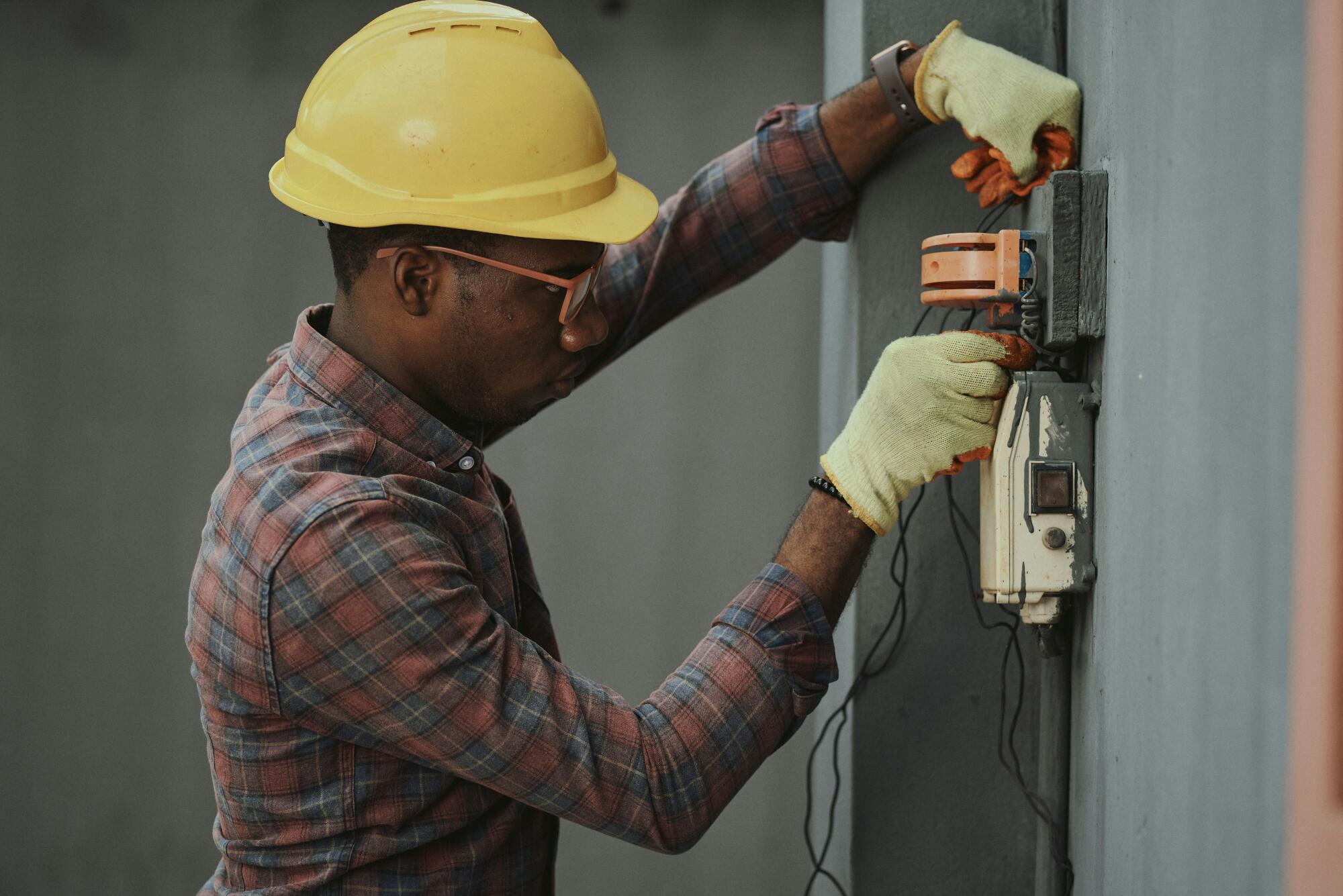
Skilled trades are seeing renewed interest among younger workers as growing demand, competitive pay, hands-on work, and alternatives to traditional four-year degrees attract a new generation.
Four-year degrees remain a popular option, but they are no longer the only path drawing attention from young adults entering the workforce.
Research from Randstad found that demand for skilled trades in the United States grew three times faster than demand for professional roles between 2022 and 2026. Construction projects, energy infrastructure, manufacturing facilities, and technology-related developments are all contributing to the need for more skilled workers.
Welding, electrical work, HVAC, and plumbing are among the careers appearing more frequently in conversations about long-term job opportunities.
What Trade Has the Biggest Shortage of Workers?
Several skilled trades are facing labor shortages, but electricians are frequently identified as one of the hardest positions for employers to fill.
Large infrastructure projects, data centers, manufacturing expansion, renewable energy installations, and electric vehicle charging networks all require electrical work. At the same time, many experienced electricians are reaching retirement age.
Electricians are not alone. Employers are also searching for welders, plumbers, HVAC technicians, and mechanics as industries compete for a limited pool of skilled labor.
Trades Programs Can Offer an Earlier Start to Earning
Career decisions are becoming more closely tied to financial realities.
A traditional four-year degree may require years of tuition costs before a graduate begins working full-time. Many apprentices, trainees, and entry-level trade workers start earning while learning.
The difference can be noticeable. A young worker may spend the first years after high school gaining experience on job sites while building an income at the same time.
Student debt is another factor entering the discussion. Some workers are attracted to training pathways that allow them to develop marketable skills without taking on the same level of educational expenses.
Hands-On Work Appeals to a Different Kind of Learner
Some people enjoy seeing the results of their work at the end of the day.
A welder may help build part of a bridge or a manufacturing system. An electrician may complete an installation that powers a new building. An HVAC technician may restore heating or cooling for a family dealing with an unexpected breakdown.
The work is active, practical, and tied to real-world problems. Many younger workers find that more appealing than spending most of the day at a desk.
Modern Skilled Trades Are Embracing Technology
The tools used in skilled trades continue changing.
Construction sites, manufacturing facilities, and welding shops rely on equipment, materials, and techniques that look different from those of a generation ago. Workers are expected to learn new systems and adapt to changing industry standards throughout their careers.
Professionals may use specialized products such as pro-grade stick electrodes while working on projects that demand strength, durability, and reliability.
Skilled Trades Are Back in the Career Conversation
Skilled trades have always played an important role in keeping homes, businesses, and infrastructure running. What feels different today is how frequently these careers are being discussed by students, parents, employers, and job seekers. Strong demand, practical training pathways, and hands-on work are giving a new generation reasons to take a closer look.
Discover more stories on business, skilled careers, education, and the changing world of work by exploring our website.

![[WBT107.9FM] app promo graphics 2025](https://wbt.com/wp-content/uploads/sites/84/2025/12/17653898024341.jpg?quality=80&strip=all&w=150&crop=0,0,100,150px)