The quiet return of secondary heat sources in U.S. homes
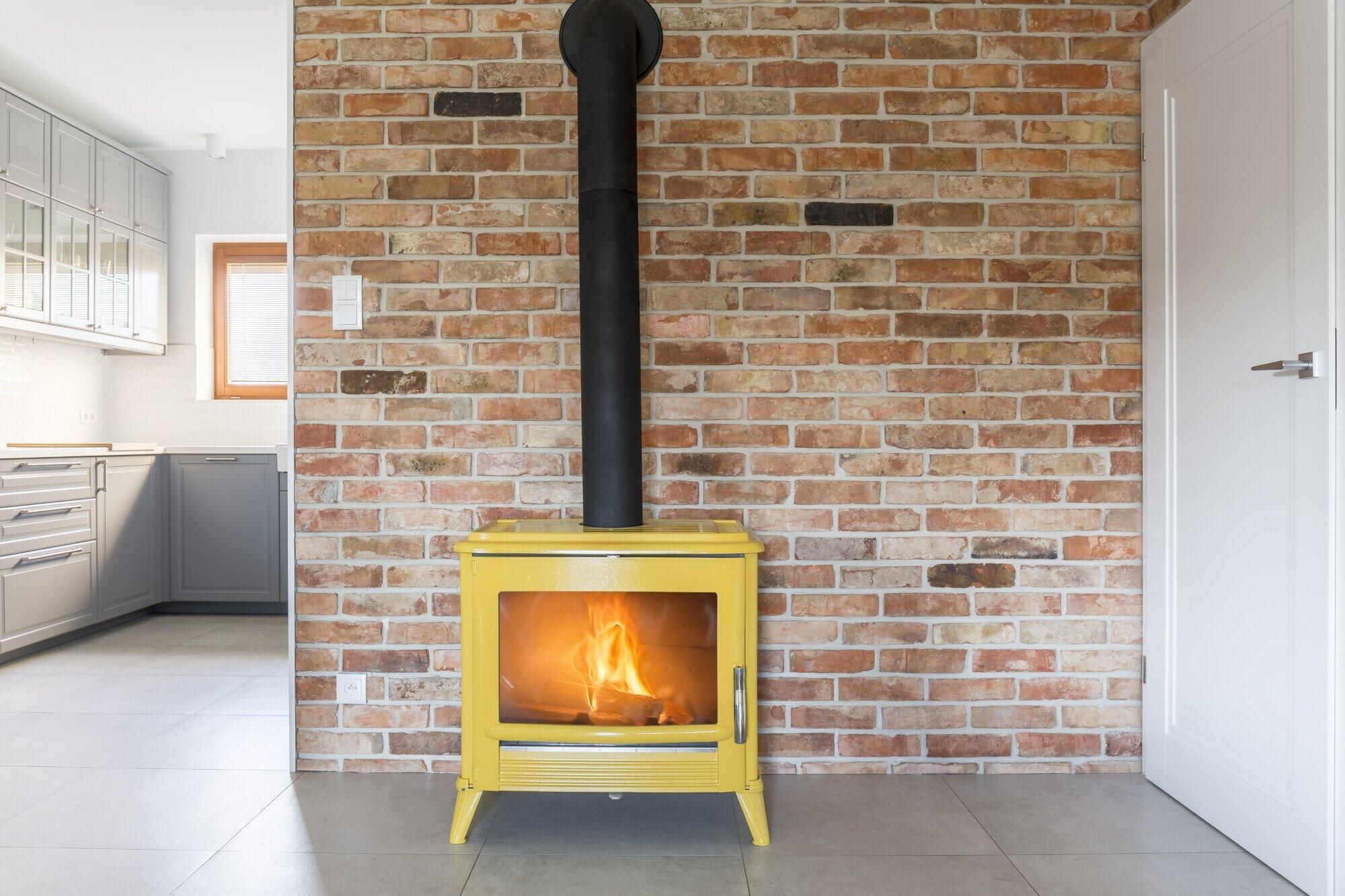
Secondary heat sources help lower heating costs and provide reliable warmth during colder weather. Modern systems offer cleaner, more efficient performance than older models.
Families trying to manage monthly heating expenses are facing challenges caused by rising energy costs. According to recent data from The Century Foundation, since 2022, the average U.S. consumer’s overdue utility balance increased by 32 percent.
More homeowners are looking for ways to heat their homes efficiently without depending on a single heating system. Secondary heat sources provide not only additional warmth but also more flexibility during colder months.
Today’s modern options combine reliability with improved efficiency and convenience.
What Are the Latest Trends in Home Heating?
The way Americans heat their homes looks different than it did a decade ago. The U.S. Energy Information Administration reports electricity served as the primary heating fuel for 42% of households in 2024, while natural gas accounted for 47%, compared to 49% in 2010.
The changing mix of heating fuels supports home heating trends focused on flexible solutions that work alongside existing systems. Popular options include:
- Pellet stove systems
- Standalone gas heaters
- Ductless heat pumps
How Have Traditional Heat Sources Improved?
The biggest changes in traditional heating happened behind the scenes. Improved materials, smarter controls, and more efficient designs helped update older concepts. For example, improvements make options like a pellet stove easier to use while maintaining its appeal as a reliable heating solution.
Reviving traditional heating methods includes the following advancements:
- Cleaner combustion
- Remote operation
- Safety sensors
- Automated controls
- Efficient fuel use
What Is the Best Secondary Heat Source?
No single heating option works for every home. Factors like climate, square footage, fuel availability, and lifestyle preferences all influence which alternative heating solutions make the most sense.
Pellet Stoves
A pellet stove provides heat through an automated system that feeds compressed pellets into the unit as needed. The design makes them appealing to homeowners who want traditional warmth with less hands-on maintenance.
Gas Heaters
Gas heaters deliver fast, consistent warmth and work well in spaces that need supplemental heating without a large installation project. If you have ready access to propane or natural gas, a gas heater is a great option for convenience.
Wood Stoves
Electric heaters warm individual rooms without fuel storage or permanent installation requirements. Their compact design makes them useful for bedrooms, offices, and other areas that need targeted heat.
How Can I Heat My Home Without Electricity?
A winter power outage can shut down gas-fueled furnaces, heat pumps, and electric heating systems. There’s no need to panic. Certain gas heaters and pellet stoves continue producing heat even during an outage.
Safety matters when preparing to use alternate heating sources. First, make sure you prepare before severe weather arrives by confirming fuel availability.
Second, follow installation guidelines and maintain proper ventilation to reduce safety risks.
Embrace the Warmth
Both rising energy costs and advances in heating technology mean homeowners are paying more attention to supplemental heat sources. From pellet stoves to gas and electric heaters, you have more choices to improve winter comfort.
Come back again soon and check out our fresh content and news stories. We’re here to help you find more ways to enjoy life.
![[WBT107.9FM] app promo graphics 2025](https://wbt.com/wp-content/uploads/sites/84/2025/12/17653898024341.jpg?quality=80&strip=all&w=150&crop=0,0,100,150px)