Lawn care mistakes that can make a nice yard look neglected
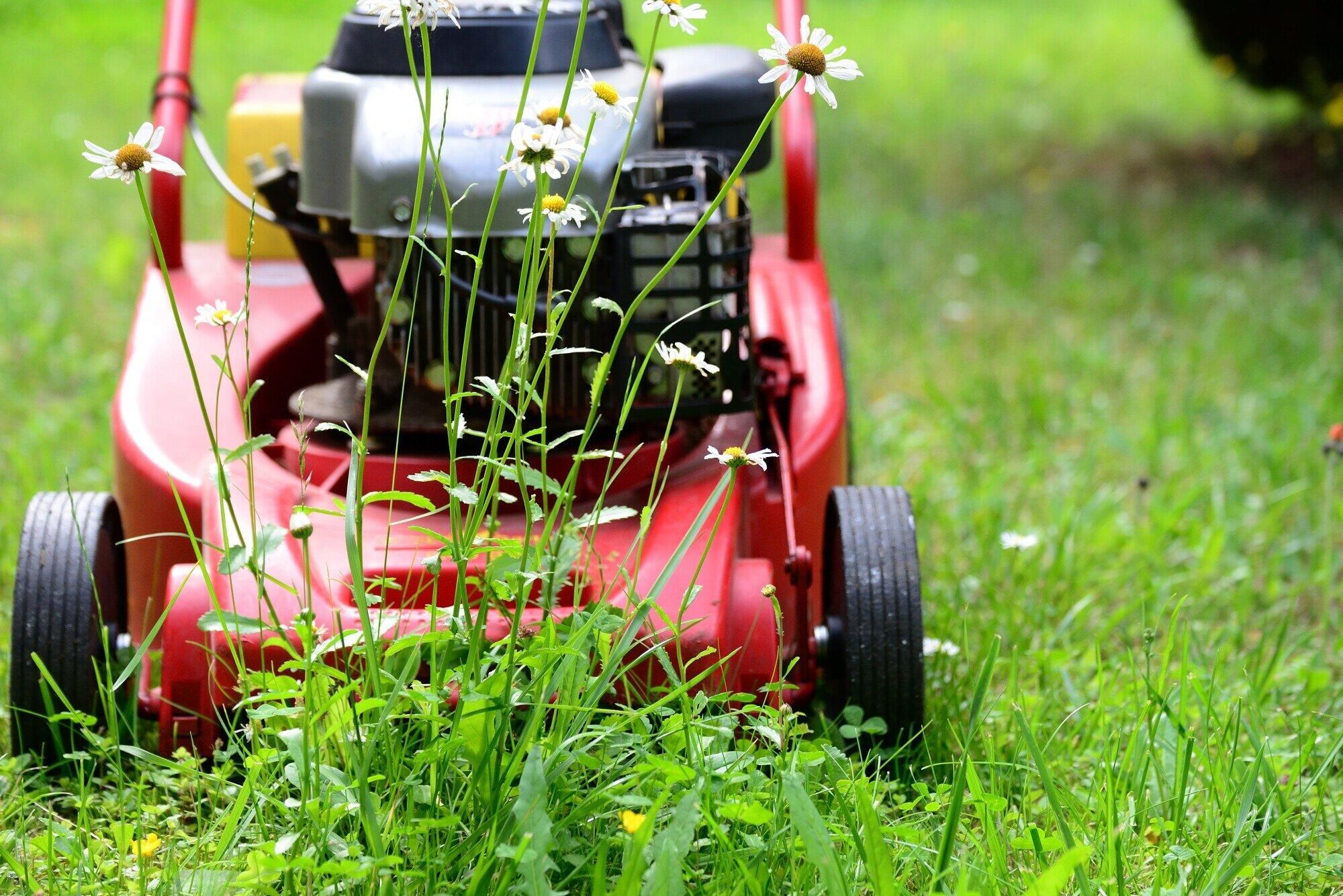
Common lawn care mistakes like improper watering, ignoring soil health, and delayed pest control can damage yards that could otherwise look well-kept with the right habits.
Could your lawn care routine be doing more harm than good?
The mistakes that turn a healthy yard into a patchy, uneven mess build gradually through habits that seem harmless until the damage becomes visible.
Good lawn maintenance starts with prevention. Catching the early signs and correcting the underlying cause before it spreads determines whether a yard recovers or continues to decline.
What Are the Common Signs of a Failing Lawn?
Lawn problems announce themselves through visible changes that most homeowners notice but don’t always act on quickly enough. Some of the common signs that curb appeal is starting to suffer:
- Yellow or pale patches that don’t respond to watering
- Thinning grass that leaves soil visible between blades
- Bare spots where grass has stopped growing entirely
- Uneven color across sections that should look uniform
- Moss or weeds filling in areas where grass has weakened
Several of these appearing together means the lawn needs attention before the damage becomes harder to reverse.
How Does Overwatering or Underwatering Affect a Lawn?
Most lawn problems start with the watering.
Too much suffocates grass roots, promotes fungal growth, and creates the soggy conditions that weeds and moss prefer. Too little leaves grass brittle, shallow-rooted, and unable to recover from heat or foot traffic.
Most lawns need about an inch of water per week. Watering deeply and less frequently encourages roots to grow downward, building the resilience that keeps a lawn looking healthy through dry periods.
Ignoring Soil Health Is a Costly Lawn Care Mistake
Healthy grass starts below the surface. Compacted, nutrient-depleted soil with unbalanced pH will undermine all your efforts, and fertilizing a lawn with poor soil produces disappointing results no matter how much product you apply.
Aerating annually, testing pH levels, and top-dressing with compost address the root cause, not the symptoms. A lawn that’s treated this way holds color longer and bounces back faster after seasonal stress.
Improper Mowing Techniques Will Harm Your Lawn
Cutting grass too short stresses the plant, exposes soil to sun and weed seeds, and reduces the lawn’s ability to retain moisture. Most grass varieties perform best when cut to a height between three and four inches.
Dull mower blades rip grass instead of making a clean cut, leaving ragged edges that brown quickly and create an opening for disease. Using sharp blades and varying the mowing direction each week reduces wear patterns and keeps the lawn looking even.
Ignoring Pest and Disease Control Costs More Later
Fungal disease spreads fastest in warm, humid conditions and can cover large areas before most homeowners identify the cause. Lawn pests work the same way.
Treating lawn problems early can prevent them from spreading to the point where full reseeding is needed. Shop for fungicides designed for residential lawns that can help control fungal diseases before they spread.
A Great Lawn Comes Down to Good Habits
The yards that hold up through drought and heavy use don’t happen by accident. They’re the result of catching and correcting problems early, and staying ahead of the season. Good lawn care protects the health and appearance of the yard year-round.
Browse our website for more informative content.


![[WBT107.9FM] app promo graphics 2025](https://wbt.com/wp-content/uploads/sites/84/2025/12/17653898024341.jpg?quality=80&strip=all&w=150&crop=0,0,100,150px)