How fall prevention is helping today’s Boomers live safer and with more confidence
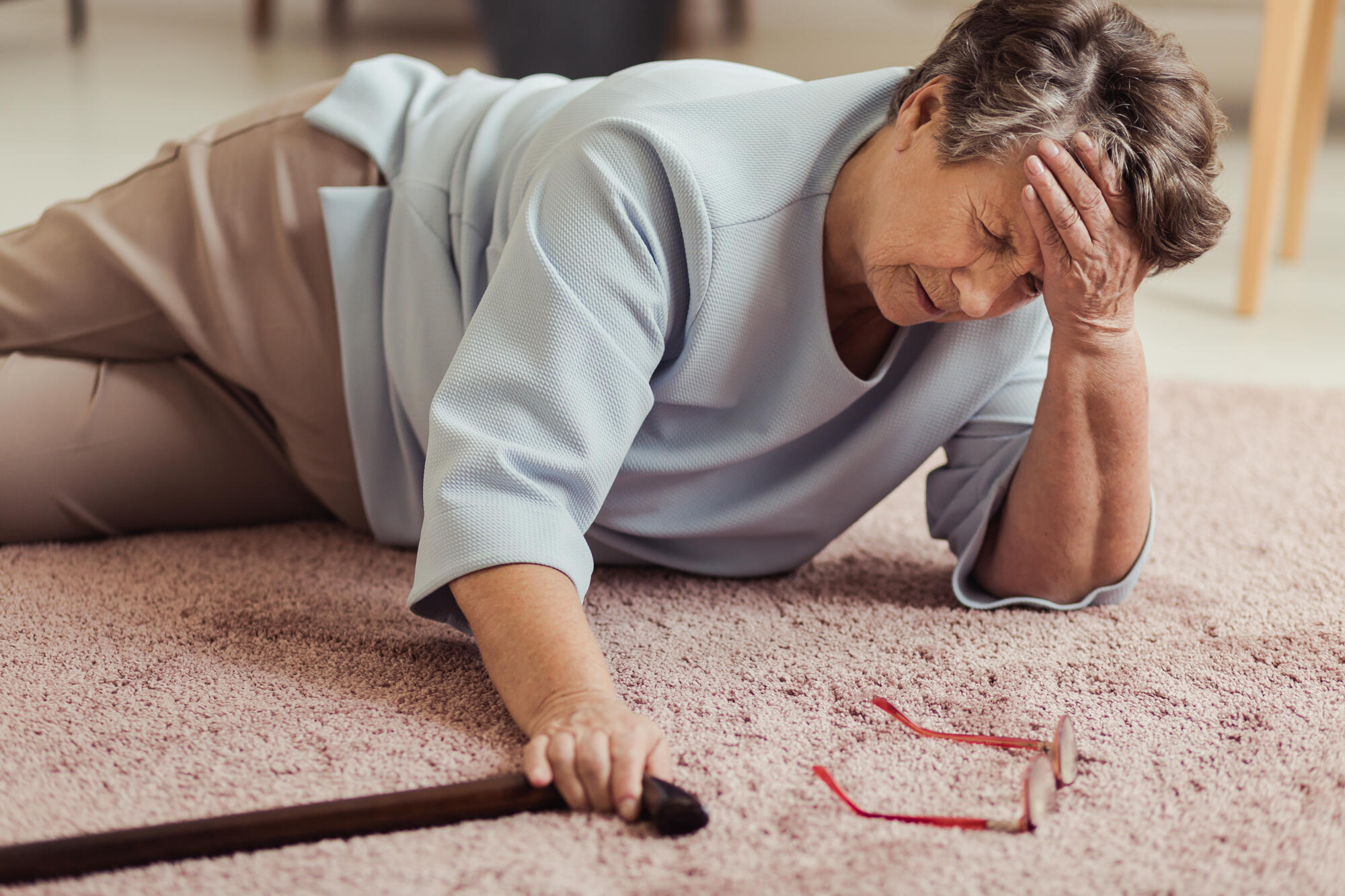
Modern fall prevention methods can help seniors live a more confident life. They allow you to replace the fear of falling with a sense of security and control.
Most Boomers can use this confidence. According to the CDC, one in four seniors in the U.S. reports falling every year. It’s no surprise, then, that falls are the leading cause of injuries, hospitalization, and death among older adults.
Why Is Fall Prevention Important for Seniors?
Beyond making you more confident in your body, fall prevention methods come with an array of other benefits. Common examples include:
- They help you prevent fall injuries
- They allow you to maintain independence
- They prevent a cycle of falling
What Are Five Ways to Prevent Falls?
Fall prevention comes in many forms, and not every strategy is a good fit for every senior. Here are five time-tested tips for preventing falls in older adults.
1. Talk to a Health Care Provider
The first thing you should do is make an appointment with a health care provider. They’ll perform a fall risk assessment to determine how likely you are to fall. This involves evaluating your medications and medical history.
Based on the results of the assessment, your doctor will suggest the appropriate therapy for your needs. Some places, such as the StabilityLAB Vancouver clinic, may suggest CVRT or similar advanced rehabilitation programs.
2. Remove Home Hazards
Most homes are filled with potential fall hazards. One thing you can do right away is get rid of any loose rugs or secure them with tacks or double-faced tape. Other things you can do to make your home safer include:
- Move plant stands and coffee tables from high-traffic areas
- Remove electrical and phone cords from walkways
- Use non-slip mats in the shower or bathtub
3. Stay Active
One of the best ways to minimize fall incidents is to keep moving. Start doing gentle exercises based on slow movements, like tai chi or water workouts. These activities will help improve your balance and coordination.
If you’re worried that physical activity will make falls more likely, tell your doctor. They may recommend carefully monitored exercise programs or refer you to a physical therapist who can create a custom program for you.
4. Use Assistive Devices
If your risk of falling is high, your health care provider may suggest using a walker or a cane. However, these aren’t the only assistive devices that can help you prevent falls. Other products that may be of use are:
- Handrails for stairways
- Non-slip stair treads
- Toilet seat with armrests
- Shower grab bars
5. Light up Your Living Space
Keeping your home brightly lit can do wonders for preventing accidental falls. You can start by making clear paths to light switches that aren’t next to doors. Consider replacing traditional switches with illuminated ones.
Beyond that, adding more night lamps is never a bad idea. Place them in high-traffic areas like the hallways. You should also put one lamp next to your bed in case you need to get up during the night.
Simplifying Fall Prevention
Don’t let the fear or falling disrupt your life! With the right fall prevention strategies, you can prevent serious injuries while remaining independent. Use the above guide to determine your needs and decrease fall risk.
Keep reading our health content for more tips on aging gracefully!

![[WBT107.9FM] app promo graphics 2025](https://wbt.com/wp-content/uploads/sites/84/2025/12/17653898024341.jpg?quality=80&strip=all&w=150&crop=0,0,100,150px)