Fever blisters: Tips and treatments
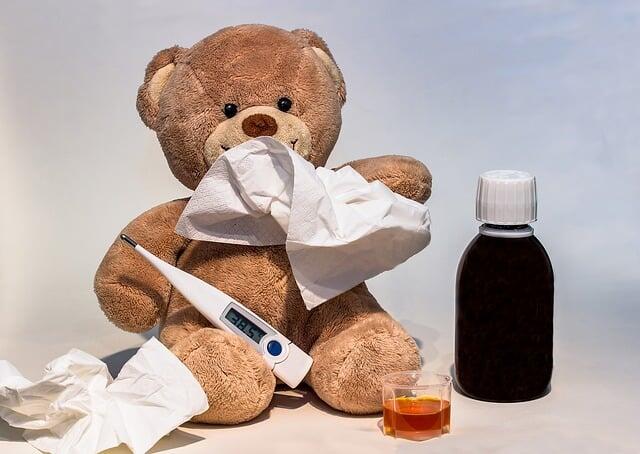
Fever blisters (cold sores) are triggered by HSV-1, and common triggers include stress and fatigue. You should start treatment at the first sign and use at-home remedies like ice and aloe vera gel. Prevent spreading cold sores by avoiding close contact and washing your hands frequently.
The World Health Organization (WHO) says that an estimated 3.8 billion people under the age of 50 globally have HSV-1. Considering that this is 64% of the adult population, it’s likely that you have this virus, too.
Those affected experience fever blisters (cold sores), and they can be distressing to deal with. Understanding triggers, effective treatments, and prevention can help relieve lip discomfort.
What Triggers Fever Blisters?
Fever blisters are caused by the herpes simplex virus (HSV-1). The virus stays dormant in your system, but it can reactivate due to certain triggers.
Common triggers include:
- Stress
- Fatigue
- Illness
- Sun exposure
- Hormonal changes
The more aware you are of what sets off your cold sores, the better you can take proactive steps to minimize their frequency.
Start Treatment at the First Sign
Timing is everything when treating fever blisters. You may experience the following around your lips before the blister even appears:
- Tingling
- Itching
- Burning
Starting treatment during this stage can significantly reduce the severity and duration of the outbreak. Over-the-counter antiviral creams or prescription medications can be highly effective when applied early, such as Zovirax cold sore treatment. Keep these treatments on hand so you can act quickly.
You can also apply a cold compress to help reduce inflammation and discomfort.
The key is to act fast, as this can speed up healing. It can also prevent the blister from fully forming.
Use Effective At-Home Remedies
There are a few at-home blister remedies that can help you manage symptoms and promote healing. For example, you should keep the area clean and dry to prevent infection.
Ice can reduce swelling and numb pain, and aloe vera gel can soothe irritation and support skin repair. You may also get relief by using diluted tea tree oil or lemon balm extract.
It’s important to avoid picking or popping the blister, as this can worsen the infection and increase the risk of spreading the virus.
These healing skin solutions can make a big difference in how quickly your skin recovers and how comfortable you feel during an outbreak.
How Can You Prevent Spreading and Future Outbreaks?
Fever blisters are highly contagious, especially when the blister is active and oozing. You should avoid close contact, like kissing or sharing utensils, towels, or lip products.
You should wash your hands frequently and be mindful of touching your face.
To prevent future outbreaks, focus on strengthening your immune system. Do this through:
- A balanced diet
- Regular exercise
- Adequate sleep
If you have frequent recurrences, then you may benefit from daily antiviral medications.
Manage Your Fever Blisters
Fever blisters can be uncomfortable to deal with, so it’s good to know what triggers them and how to manage your symptoms. By combining that with effective medications and treatments, you’ll be able to get your cold sores under control.
Browse our other pages to see more helpful articles.

![[WBT107.9FM] app promo graphics 2025](https://wbt.com/wp-content/uploads/sites/84/2025/12/17653898024341.jpg?quality=80&strip=all&w=150&crop=0,0,100,150px)