The growing link between inflation and financial stress in today’s economy
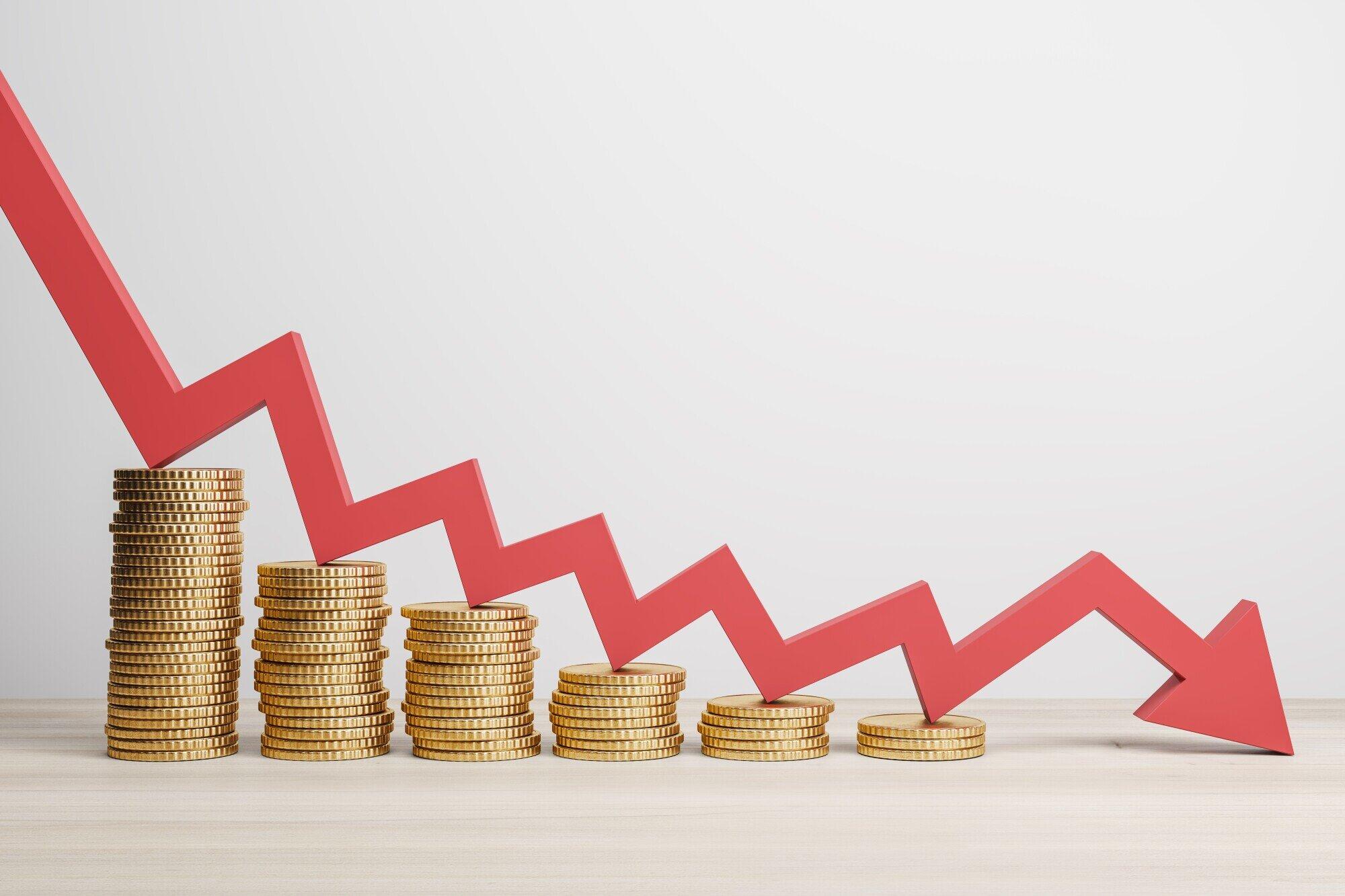
Inflation makes everything cost more, forcing people to tighten household budgets. More pressure on spending creates a direct path to financial stress.
A growing number of people are not just worrying about bills due this month. According to Pew Research, 28% of adults expect their family’s financial situation to be worse in a year. Even families with stable incomes are feeling more pressure.
Today, savings goals, retirement contributions, and emergency funds are harder to maintain. Financial stress may begin with rising prices, but fear about savings, debt, and long-term financial stability makes things feel worse. More mindful spending and consistent saving habits can help restore confidence in your financial future.
What Does Financial Stress Mean?
Financial stress is the strain you feel when money is tight. It includes worry about paying bills, managing debt, and keeping up with long-term goals. Inflation has made financial stress more common due to rising costs of essentials like groceries, housing, and gas.
It affects more than your bank account. Mental health suffers as well. Anxiety, restless nights, and feeling overwhelmed by financial decisions are common.
What Are 5 Warning Signs of Financial Trouble?
The first signs of financial trouble are usually small changes in your everyday money habits. Bills feel harder to cover, savings start slipping, and credit cards take on a bigger role in your monthly budget.
Five of the most common warning signs include:
- Missed or late bill payments
- Shrinking emergency savings
- Growing credit card balances
- Avoiding account balances
- Cutting essentials to get by
Inflation Impact: How it Changes Financial Security
Inflation can force you to shift your financial priorities in ways that slow future progress. In a K-shaped economy, some households may still move forward with investing and savings goals while others are forced to redirect money toward debt, minimum payments, or short-term obligations, making long-term financial security harder to maintain.
Broader economic challenges can make the setback harder to recover from. Higher borrowing costs and slower wage growth can force you to focus on stability instead of long-term growth.
How Do You Cope With Financial Stress?
Managing financial stress starts with clarity. Reviewing upcoming bills, checking due dates, and resetting your spending priorities can reduce immediate pressure while navigating inflation stress.
The emotional side matters just as much. A few simple guardrails can help keep short-term pressure from leading to bigger setbacks:
- Wait before using credit
- Delay nonessential purchases for 24 hours
- Separate wants from urgent needs
- Avoid making decisions out of panic
- Review the impact before committing
How Can Families Reduce Financial Pressure During Inflation?
You can reduce financial stress by building a few simple routines into your household budget. Meal planning, regular bill reviews, and shared savings goals help you control spending each month while protecting long-term financial well-being.
Extra income streams can give you more breathing room. Even small gains through side work, overtime, or seasonal opportunities can help protect future goals from inflation-driven setbacks.
Protect Your Financial Future in an Inflationary Economy
Inflation has changed the way families approach saving, debt, and everyday financial decisions, which is why financial stress has become more common. A clear plan and more flexible income strategies can help reduce pressure while keeping future goals within reach.
Explore the latest financial insights on our site. Timely updates can help you navigate a changing economy.

![[WBT107.9FM] app promo graphics 2025](https://wbt.com/wp-content/uploads/sites/84/2025/12/17653898024341.jpg?quality=80&strip=all&w=150&crop=0,0,100,150px)
