NC vape shop raids draw concerns over illegal products, organized crime
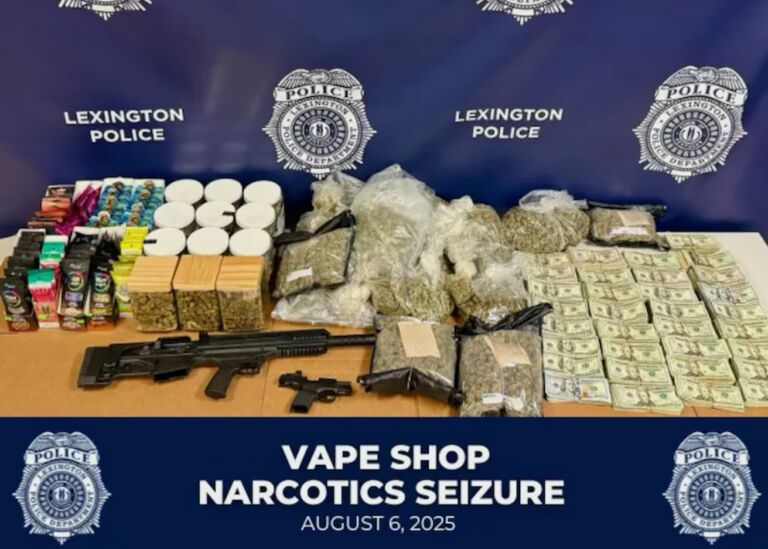
Recent law enforcement activity across North Carolina — in Union, Johnston, and Stokes counties — is drawing attention to illegal activity operation inside some smoke and vape shops.
The Union County Sheriff’s Office on Feb. 25 announced the seizure of over five pounds of tianeptine, a synthetic substance otherwise known as “gas station heroin.” Additionally, the sheriff’s office seized over 10 pounds of marijuana and an estimated $100,000 in counterfeit or copyrighted THC products. `
In addition to Union County’s seizure, authorities in Johnston County announced arrests in late January 2026, after six minors became sick from THC-infused gummies purchased at a local vape/tobacco shop. According to warrants that were filed by the North Carolina Alcohol Law Enforcement Division, law enforcement agents were notified in December that the gummies had caused sickness among minors. Testing later revealed certain products from the shop exceeding the state’s 0.3% THC legal limit. The store owner and business partner are facing multiple felony charges related to sales of marijuana and conspiracy allegations.
In addition, the Stokes County Sheriff’s Office announced in January 2026 the results of “Operation Found Out,” which is a multi-month investigation targeting four vape shops in King, Pinnacle and Walnut Cove. Search warrants in November 2025 led to the seizure of 53 pounds of marijuana, psilocybin products (illegal in any amount under state law), and more than $18,000 in cash. Several store managers were charged with trafficking and possession-with-intent offenses.
A broader nationwide trend
Rich Marianos, former assistant director of the US Bureau of Alcohol, Tobacco, Firearms and Explosives, told Carolina Journal that the pattern emerging in North Carolina mirrors what he describes as a broader nationwide trend.
“Criminal vaping is becoming an epidemic in this country,” stated Marianos, in a Feb. 26 interview with Carolina Journal.
He explained the difference between federally authorized tobacco harm-reduction products and what he described as tens of thousands of unregulated vape products entering the US market through a variety of channels. Marianos argued that some illegal vape retailers operate as more than simple shops.
“These criminal vape shops are involved in more criminal activity than the public understands,” he stated, pointing to cases nationwide involving narcotics distribution, firearms violations, and financial crimes.
While not every vape retailer is involved with criminal activity, recent North Carolina cases have included significant connections to drug trafficking among certain shops. Another recurring issue is packaging that is designed towards youth. Several North Carolina investigations have begun after children consumed THC-infused products that resemble popular snack and candy brands. Marianos described youth-focused marketing as deliberate tactics used by illegal suppliers.
“It’s marketed as something that’s cool, flavorful — more like a treat,” he said, arguing that social media and product flavoring are used to drive youth demand and usage.
Policy concerns and enforcement steps
North Carolina law permits hemp products with very low THC content that comply with federal and state rules, but marijuana remains illegal. The distinction has created challenges for local agencies attempting to differentiate between compliant retailers and specific ones exceeding legal limits. He also emphasized that efforts should focus specifically on illegal smoke shops rather than regular convenience stores.
Marianos said state and local lawmakers could take more concrete steps to address these issues. He suggested creating state level registries identifying unauthorized products, requiring stricter inspections before licensing, and (in his opinion the most important step) increasing funding for local law enforcement.
“If they continue to engage in criminal activity, they should be subject to criminal prosecution,” he said.
As these investigations continue, law enforcement officials say their purpose is to prevent illegal products from reaching consumers, including minors, and addressing criminal conduct operating behind storefronts.
Marianos explained how the issue can be underestimated at the local level. While some retailers operate under the law, he argued that specific smoke shops are used as fronts for overall criminal activity.
“It’s not anecdotal,” Marianos stated. “You can point to specific seizures, specific arrests, specific quantities.” He added that enforcement cases have come up in both rural and urban areas, arguing that the issue is not just in large metropolitan spots.
Marianos described what he views as a structural problem tied to oversight and licensing. According to him, some jurisdictions are granting retail licenses without inspection or follow-up enforcement.
“One of the biggest mistakes we’re making is giving these criminal entities licenses,” he said, explaining that local governments implement stricter inspection rules and clearer product registries.
“It’s important that money gets released out of Washington and put in the hands of local communities,” Marianos said, arguing that local agencies need more resources to conduct compliance checks and pursue trafficking investigations.
Marianos characterized the trend as part of a broader evolution in organized criminal activity.
“NC vape shop raids draw concerns over illegal products, organized crime ” was originally published on www.carolinajournal.com.

![[WBT107.9FM] app promo graphics 2025](https://wbt.com/wp-content/uploads/sites/84/2025/12/17653898024341.jpg?quality=80&strip=all&w=150&crop=0,0,100,150px)
